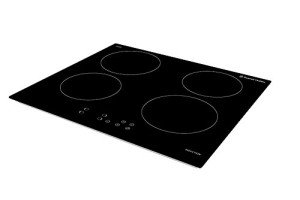
The Rise of Sleek Induction Hobs: A Modern Solution for Kitchen Efficiency
Over the last few years, the culinary world has actually experienced a significant shift toward more efficient and user-friendly cooking approaches. A considerable contender in this evolution is the induction hob, typically praised for its sleek style and exceptional performance. This post dives into the performance, benefits, and factors to consider of induction hobs, gearing up homeowners and aiming chefs with the understanding they need to make an educated option.
What is an Induction Hob?
An induction hob is a kind of cooktop that uses electromagnetic energy to produce heat directly in pots and pans. This technology allows for accurate temperature control, quickly cooking times, and improved security, making induction hobs an appealing feature in modern kitchens.
How Induction Cooking Works
Unlike standard gas or electric hobs, which count on heating elements to warm the surface and subsequently heat cookware, induction hobs develop a magnetic field that communicates with ferrous cookware (typically steel or cast iron). This interaction produces heat straight in the pot or pan, leading to quicker and more efficient cooking times.
Here's an overview of the induction cooking process:
- Magnetic Field Creation: When the hob is turned on, an electric present passes through coils beneath the surface, developing a magnetic field.
- Heat Generation: The electromagnetic field causes an electric current in the cookware, triggering it to warm up.
- Immediate Cooking: Since the heat is produced within the cookware, there is very little heat loss, enabling quick cooking and exact temperature level changes.
Secret Benefits of Induction Hobs
Induction hobs provide a variety of advantages that attract both casual cooks and chef. Below are some of the main benefits of using induction cooking:
- Enhanced Efficiency: Induction hobs are significantly more energy-efficient than their gas and electrical equivalents. Roughly 90% of the energy produced is used for cooking, while gas stoves only utilize about 40% of the energy.
- Fast Heating: The induction process heats up cookware practically immediately, substantially reducing cooking times. For example, water boils quicker on an induction hob compared to standard stovetops.
- Temperature Control: Induction hobs provide precise temperature level control, permitting cooks to attain the needed heat level for different cooking techniques, from searing to simmering.
- Security Features: The hob surface area remains cool to the touch unless cookware is placed on it, considerably decreasing the risk of burns. Furthermore, many induction hobs feature security features such as automatic shut-off and residual heat indicators.
- Sleek Aesthetic: The modern design of induction hobs includes a touch of sophistication to kitchen area areas. Their flat surfaces are much easier to clean and blend seamlessly with contemporary décor.
Factors to consider Before Purchasing an Induction Hob
Regardless of their various advantages, there are some considerations to keep in mind when deciding to invest in induction hobs:
- Compatible Cookware: Only cookware made from magnetic products is compatible with induction hobs. This consists of cast iron, stainless steel, and certain kinds of enameled pots and pans. Pots and pans made from glass, ceramic, or aluminum without a magnetic base will not work.
- Higher Initial Cost: Generally, induction hobs can be more costly upfront compared to gas or electrical hobs. However, this expense can be offset over time by energy cost savings and increased cooking efficiency.
- Electricity Dependency: Induction hobs require a dependable electrical power source to operate, which could be a drawback throughout power failures or in locations with inconsistent electrical supply.
Table: Comparison of Cooking Methods
| Feature | Induction Hob | Gas Stove | Electric Hob |
|---|---|---|---|
| Energy Efficiency | High (90%) | Low (40%) | Moderate (70%) |
| Heating Time | Immediate | Moderate | Slower |
| Security | High | Moderate | Low |
| Surface area Temperature | Cool | Hot | Hot |
| Pots and pans Compatibility | Magnetic-only | All types | Most types |
| Aesthetic Appeal | Sleek and modern | Traditional | Basic |
FAQs About Induction Hobs
1. Can I use non-magnetic cookware on an induction hob?No, just cookware
that is magnetic will work on an induction hob. Search for pots and pans labeled as induction-compatible. 2. Do induction hobs consume more electricity?Induction hobs are developed for efficiency, taking in less electrical power compared to
electric hobs and gas ranges due to their fast heating capabilities. 3. relevant internet page for children?Yes, induction hobs are thought about safer as the surface stays cool to touch. Furthermore, security features can be implemented to
lock settings and restrict gain access to. 4. How do I clean an induction hob?Cleaning an induction hob is fairly simple. Use a soft fabric or sponge with moderate detergent. Prevent abrasive cleaners that can scratch the surface area. 5. Can I set up an induction hob on my
own?While some induction hobs are designed for easy installation, it's encouraged to hire a certified expert to guarantee correct setup and electrical connections.
Sleek induction hobs represent a
substantial development in cooking innovation, providing unparalleled efficiency, security, and aesthetic appeal. As more homes seek to enhance their cooking experiences,
the adoption of induction hobs continues to increase. With their fast cooking times, precise control, and modern design, induction hobs are not simply a trend however a valuable addition to contemporary kitchen areas, catering to the requirements of both professional chefs and home cooks alike. Just like any kitchen home appliance, it's essential to weigh the benefits and drawbacks thoroughly to identify if an induction hob is the right choice for your cooking requires.